Safe & Accepting Schools

Every student deserves to feel safe, respected, and included.

We are committed to

Safe & Accepting Schools

The District School Board of Niagara (DSBN) believes that providing students with an opportunity to learn and develop in a safe and respectful society is a shared responsibility in which school boards and schools play an important role.

A safe, inclusive, and accepting learning environment that promotes healthy relationships and behaviours is essential for student success and well-being.

To reach their full potential, children and youth must feel safe, included, and engaged in school.
Equity & Inclusive Education

We are committed to creating school communities where every student feels they belong, is supported to thrive, and is celebrated for who they are.

Mental Health & Well-Being

We are committed to promoting the mental health and well-being of all students, recognizing that mental health and well-being is the foundation of student success.

Bullying Prevention & Intervention

We are committed to preventing and addressing bullying so that every student feels safe, respected, and included.

Progressive Discipline & Restorative Practices

We believe every student should feel safe, valued, and connected at school. This approach helps students take responsibility and learn from their actions.

Trauma-Sensitive Learning Environments

Students are taught how to manage their emotions, handle stress, build healthy relationships and make good choices.

Prevalent Medical Conditions

To support student safety and well-being, we help students with common medical conditions such as asthma and diabetes as well as other health needs.

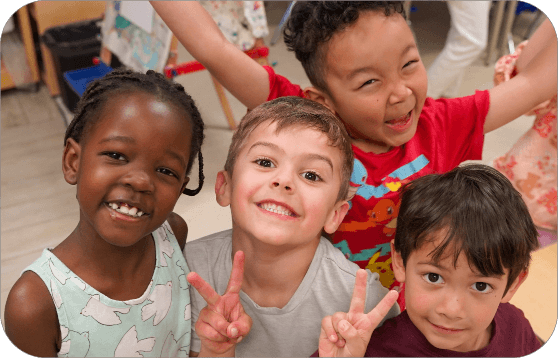
Four children posing together in a classroom, with two children holding up peace signs.

What matters most to us

What’s best for students

At the DSBN, we are committed to ensuring every student feels safe, included, and valued. Together, students, staff, families, and community build learning environments grounded in respect, strong relationships, and a sense of belonging. We believe students are most successful when they feel connected to their school and are supported to learn, grow, and take responsibility when challenges arise.

We Focus On:

Building

Positive relationships and a strong sense of belonging.

Creating

Safe, inclusive, and equitable learning environments.

Supporting

Student well-being and mental health.

Concussion Safety

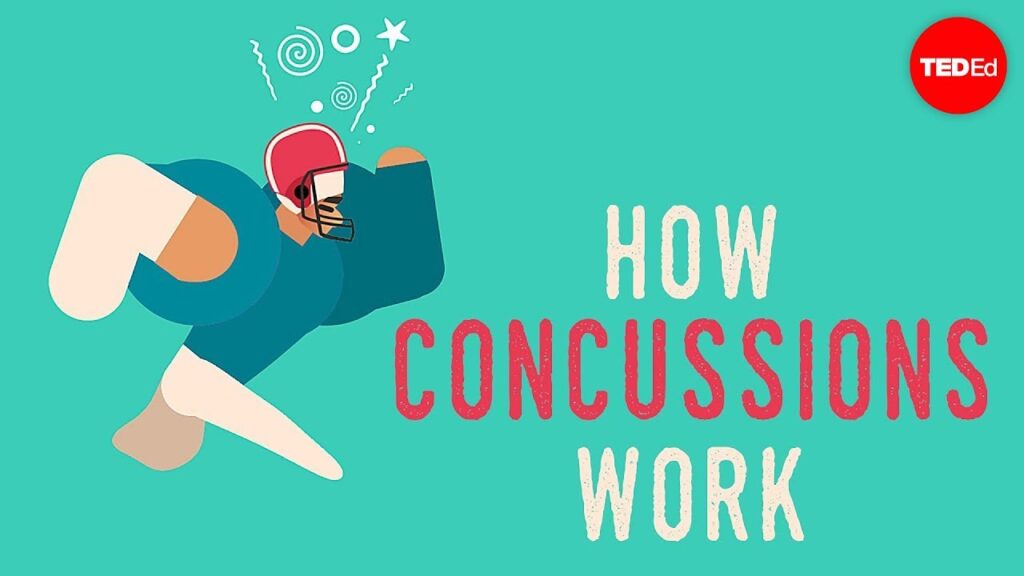
Learn about concussions

The DSBN is committed to helping students stay safe, healthy, and active. We support concussion awareness, prevention, identification, care, tracking, and training in DSBN schools.

You can find our concussion policy here https://policy.dsbn.org/G-36

Resource

Concussion FAQ

What is a concussion?
  • A concussion is a brain injury. It changes how the brain works and can affect how a person feels, thinks, acts, or sleeps.
  • A concussion can happen from a hit to the head, face, or neck, or from a hit to the body that causes the brain to move quickly inside the skull.
  • A person can have a concussion even if they do not pass out.
  • Most concussions do not involve loss of consciousness.
  • Concussions also usually do not show up on regular X-rays, CT scans, or MRI scans.
What are the signs and symptoms of a concussion?

You cannot see a concussion. Signs and symptoms may start right away or may appear hours or days later. Common signs include:

  • Physical: headache, pressure in the head, dizziness, nausea, vomiting, blurry vision, sensitivity to light or sound, ringing in the ears, feeling tired, feeling sleepy, or not feeling right
  • Thinking: thinking more slowly, feeling confused, trouble focusing, or trouble remembering
  • Emotional: irritability, sadness, depression, nervousness, or anxiety
  • Sleep: sleeping more or less than usual, or having trouble falling asleep

Even one sign or symptom is enough to suspect a concussion.
(Ontario Ministry of Tourism, Culture, and Sport, 2022)

When should I get emergency help?

Some signs may mean the injury is more serious. These are called red flags. If you notice any of these, call 911 right away:

  • neck pain or tenderness
  • double vision
  • weakness or tingling in the arms or legs
  • a severe or worsening headache
  • seizure
  • loss of consciousness
  • vomiting more than once
  • becoming more restless, upset, or aggressive
  • becoming more confused

(Ontario Ministry of Tourism, Culture, and Sport, 2022)

What should I do if I think my child has a concussion?
  1. Stop physical activity right away. If you think your child may have a concussion, remove them from sports or other physical activity, even if they say they feel fine.
  2. Get medical advice right away. A doctor or nurse practitioner can assess your child and explain the next steps.
  3. Tell the school and coaches. This helps staff support your child and make changes at school if needed during recovery.

If the injury appears serious – such as if your child is unconscious or has a seizure – call 911.

How can I help my child prevent a concussion?

You can help your child lower the risk of concussion by:

  • Making sure they wear the right protective equipment
  • Checking that the equipment fits properly and is in good condition
  • Encouraging safe play and good sportsmanship

For more information about concussion and resources go to:
Rowan’s Law Concussion Awareness Resources (Government of Ontario)